Understaning the Problem Before Solving It
True Innovation Begins with Understanding the Right Problem
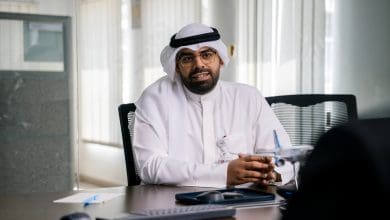
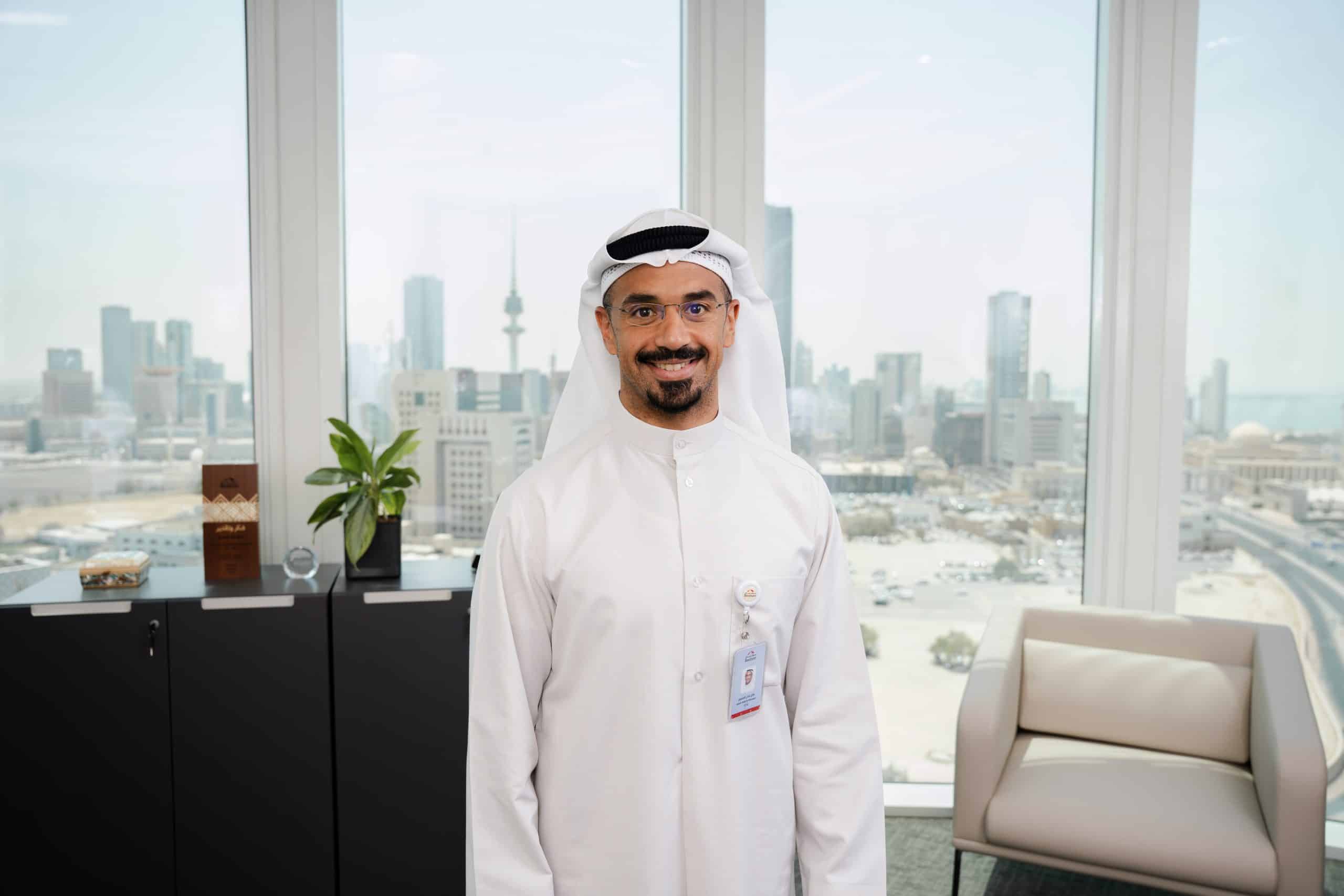
Few careers illustrate the breadth of modern banking better than Saleh Al Mansour’s. He began by serving customers at a bank branch. Today, he helps shape business performance, digital transformation, and strategy at Boubyan Bank. Yet Al Mansour does not identify a single dramatic turning point behind that rise. “Honestly, there wasn’t really one defining moment,” he says. Each role taught him something different, gradually taking him from working directly with customers to focusing on strategy, planning, and executive leadership.
Al Mansour began his banking career at Gulf Bank in 2007 as a Customer Service Representative. He subsequently became a Senior Customer Service Representative and Relationship Officer before moving into Learning and Development and then SME Banking. In 2011, he joined Boubyan Bank as Manager in its Project Management Office. He was promoted later to Senior Manager in 2013, Executive Manager in 2016, and Assistant General Manager in 2020 within the Business Performance and Planning Department. For him, beginning in a branch was not merely an entry-level stage to leave behind. It formed the foundation of how he understands banking.
“I think it was the best place to start because it taught me a lot about not only banking and products and services and numbers. It’s also about how I deal with people,” he says. Every customer entering a branch, he learned, carried a different story. Understanding those stories helped him see that sound financial decisions and human understanding were not competing priorities.
Today, his responsibilities span consumer banking, retail, customer channels, products, services, sales, finance, customer experience, innovation, and partnerships. No two days, he says, are alike. One may revolve around business performance and key performance indicators; another may focus on customer propositions, AI, or the bank’s long-term efficiency.

His role is less about supplying every answer himself than bringing together the right people and perspectives. “A lot of people sometimes think these projects are driven more by one person, but that’s never the case,” he says. He credits talented cross-functional teams and sees his own responsibility as removing obstacles while balancing immediate priorities against investments that must continue producing value several years into the future.
He also credits senior leaders with giving him unusually significant responsibility early in his career. “One main thing that I’m genuinely grateful for is the trust my leaders gave to me,” he says. As one of the youngest among his peers, he was entrusted with leadership opportunities that placed him under pressure but accelerated his development.
That openness to development eventually brought him to two internationally recognized institutions with support from the Kuwait Foundation for the Advancement of Sciences (KFAS). His CV records his participation in the KFAS Innovation Challenge at the University of California, Berkeley, in 2015, followed by an executive development program at Harvard University in 2016.
The Berkeley program appealed to him partly because it did not resemble conventional classroom learning. Al Mansour readily admits that he is “not a big fan” of sitting in a classroom and absorbing theory. The Innovation Challenge instead exposed participants to real problems, practitioners from different industries, and ideas grounded in practical experience. One lesson stayed with him. Before racing toward an innovative solution, leaders must first understand the problem.
“One of the main things that we discussed is spending more time understanding the problem before trying to solve it,” he says. In fast-moving organizations, teams can easily jump directly to solutions, particularly when innovation has become a catch-all term attached to almost every corporate discussion. Berkeley taught him to slow down and ask two questions: What exactly are we trying to solve, and is it the right problem to solve? The shift may sound modest, but Al Mansour says it changed the way he approaches discussions at work. Innovation, he realized, does not necessarily mean deploying the newest technology. Sometimes, the most innovative answer is also the most practical.
Harvard offered a different curriculum, focused on leadership, problem-solving, and becoming a better leader, but the broader purpose was similar. KFAS, he says, enabled Kuwaiti professionals to learn from leading global institutions and bring those perspectives back to their organizations and country. “KFAS plays a very important role because it invests in people and in talent,” he says. Such opportunities benefit the participant, but the effects extend further: ideas acquired abroad can influence teams, organizations, and ultimately Kuwait’s wider economy.
That investment in people is especially important as banking confronts AI. Al Mansour expects AI to become part of almost everything banks do, helping employees make better decisions and eliminating repetitive tasks. Nevertheless, he rejects the idea that it will entirely replace people. Banking, he argues, is built on trust. A chatbot may become increasingly sophisticated, but it cannot reproduce the warmth of sitting with a public relations manager, branch manager, or colleague who understands not only a customer’s request but its emotional context. Technology can strengthen banking, but “there is this emotional part that cannot be replaced.”
His preferred projects reflect that way of thinking. He is most energized by initiatives that improve customer experience, develop new propositions, or create lasting transformation—not projects undertaken merely to “check the box.” One example was a savings account allowing customers to work toward goals such as buying a first car or paying for a daughter’s wedding while also entering monthly prize draws. The concept was simple, but the engagement and feedback were strong.
Not every project succeeded, however. Al Mansour also recalls spending almost a year developing what was intended to become Kuwait’s first wallet for the underbanked. The project was ultimately ditched after the team acknowledged that it had underestimated both the effort it required and the poor odds. It was a reminder that a good idea alone is never enough.Timing, communication, commercial reality, and coordination all determine whether innovation reaches the customer.
Al Mansour believes Kuwait possesses the ingredients to become a major international player in financial services: a well-regulated banking sector, high digital adoption, an educated and technologically comfortable young population, and institutions such as KFAS that invest in talent. What is still missing, he says, is stronger collaboration among banks, the private sector, government, and universities.
Kuwaitis themselves bring another advantage. Al Mansour sees an entrepreneurial mindset among many of the country’s strongest professionals—people determined to push boundaries and turn promising ideas into reality. With sustained investment in those people, he believes Kuwait can convert that ambition into long-term leadership.