The tools leaders rely on to shape their decisions continue to evolve as the volume of data grows and the pace of change accelerates. The challenge is no longer simply accessing information, but rather analyzing it, interpreting what it reveals, and translating it into choices that support an organization’s direction and long-term objectives.
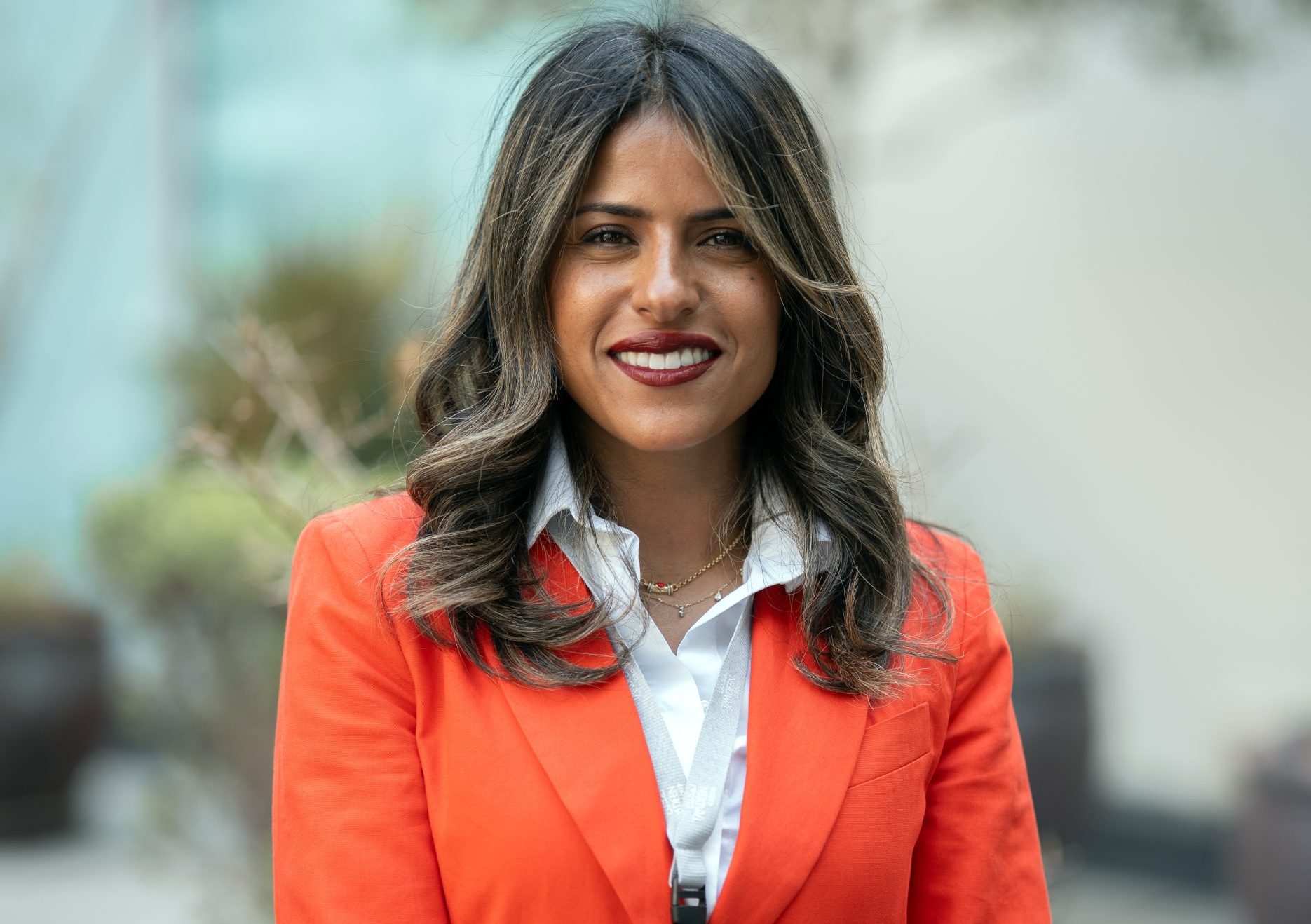
From this perspective, Badriyah AlHasawi, General Manager at Tamdeen Group International Restaurants Company, views artificial intelligence as a tool that contributes to strategic development and broadens the perspective leaders draw upon when making decisions.
his interest in knowledge-based decision-making is also reflected in AlHasawi’s own professional journey. Rather than limiting herself to the experience gained at each stage of her career, she has continued to seek new opportunities for learning and growth.
After earning her bachelor’s degree in Accounting from Kuwait University, AlHasawi embarked on an entrepreneurial journey, founding Fleur Flower Shop and Fleur’s Corner Bakery. She later moved into consulting before joining Tamdeen Group International Restaurants Company, where she currently oversees the strategic planning and execution of food and beverage operations across the Group’s real estate portfolio. She has contributed to the development of several leading destinations, including Food Hall Threesixty and Food Hall Al Khiran.
The transition from entrepreneurship to working within large-scale real estate development projects marked a turning point in AlHasawi’s understanding of the importance of operating within a knowledge-driven strategic framework. She found herself working within an interconnected ecosystem of disciplines and responsibilities, ranging from construction and engineering systems to leasing, design, pricing, and operations. “I applied my planning and project management skills to overseeing both on-site and operational responsibilities. That was when I began to understand the difference between creating a plan and building a strategy. Strategy requires seeing the bigger picture and understanding how each decision affects every other part of the business. This pushed me to continuously expand my knowledge and seek tools that would help me interpret information more deeply and make decisions based on more objective and informed indicators.”
Her pursuit of learning extended beyond practical experience. Through the Kuwait Foundation for the Advancement of Sciences (KFAS), AlHasawi participated in a number of executive education programs combining leadership, technology, and decision-making.

In February 2025, she participated in The Digital Leadership program, delivered by HKUST Business School in Hong Kong. The program included a module on AI and Data-driven Decision Making for Executives, exploring applications of artificial intelligence and machine learning and how data can be used to support decision-making in a business environment.
Reflecting on one of the achievements she is particularly proud of, AlHasawi says: “During the design and development of Food Hall Threesixty, we did not view the spaces simply as units that needed to be leased. We approached them as part of an integrated experience. We studied what I like to call ‘the art of the mix,’ ensuring that every tenant added clear value to the destination while creating the right balance between quality and variety, with a strong presence of Kuwaiti brands.”
She continues: “As a team, it was important for us that the Food Hall reflected the unique character of Kuwaiti society, where going out and dining are an essential part of social life. This has contributed to creating a highly competitive market, where expectations for quality and variety have continued to rise. Over time, some local concepts have matured to the point where they are now expanding beyond Kuwait as complete experiences. At Tamdeen Group, we therefore wanted the tenant mix to reflect the identity of the Kuwaiti market and to give outstanding local brands a platform worthy of their quality.”
أدركنا أن المزيج وحده لا يصنع التجربة؛ فتصميم المكان وتوزيع المساحات جزء من هندستها أيضًا. لذلك استندنا إلى البيانات لفهم سلوك الزوار وأنماط استخدامهم للمكان، ومن هنا جاءت أهمية مناطق الجلوس المشتركة بوصفها عنصرًا يعزز التفاعل ويمنح الزائر المتعة والمرونة.
أردنا لهذه المساحة التي صممناها أن تحتضن الجميع، وأن يشاركنا الناس فيها بصورة تتجاوز تجربة تناول الطعام. ومن هنا أطلقنا ثريسيكستي كامب للأطفال، وهو مخيم صيفي امتد أسابيع، وجمع بين التجارب التعليمية والتدريبية في مجالات الفن والطهي والرياضة. وظّفنا منشآت ومرافق مجموعة التمدين لتقديم مجموعة متنوعة من الورش والأنشطة؛ فمارس الأطفال لعبة كرة التنس في أكاديمية رافا نادال، وتعرّفوا إلى تجربة عرض الأفلام في سينما سينسكيب، واختبروا عملية البيع وخدمة العملاء في مطاعم الفود هول، وأطلقوا إبداعاتهم في الأعمال اليدوية في ميك ميننق. كان من الجميل أن نرى المكان يؤدي دورًا أوسع من وظيفته التجارية؛ فيجمع الأطفال، ويُمكّنهم من الاستكشاف والتعلّم.
وخلال هذه الرحلة، تنسب الحساوي جانبًا مهمًّا من تطورها المهني إلى مجموعة التمدين، التي أولتها الثقة، ووسّعت نطاق مسؤولياتها؛ بما أتاح لها خوض تجارب جديدة، وفتح أمامها آفاقًا أوسع، إلى جانب تعزيز قدراتها القيادية.
وفي حديثها عن ارتباط قيادة الفريق بالبناء الاستراتيجي، تقول الحساوي: «نعم، من المؤكد أن قيادة الفريق تبدأ من القيم الإنسانية؛ بأن تمنح الأفراد مساحة للتعلّم والتطوّر والتعبير وطرح الأسئلة، وأن تفهم – في الوقت نفسه – قدراتهم وكفاءاتهم؛ لذلك، لا أنظر إلى الفريق بمعزل عن البناء الاستراتيجي؛ فالقدرات التي نملكها اليوم، وما نعمل على تطويره منها، تحدد إلى حد كبير ما يمكن للمؤسسة أن تطمح إليه غدًا».
وتكمل: «بحكم خلفيتي في ريادة الأعمال، اعتدت أن أتولى معظم المهام بنفسي، لكنني تعلّمت أن القيادة تعني أيضًا معرفة متى أتراجع خطوة وأمنح الآخرين فرصة لتحمّل المسؤولية؛ فعندما تثق بفريقك، تمنح أفراده مساحة للنمو والتعلّم، وتساعدهم على اكتساب ثقة أكبر في اتخاذ القرار. بالنسبة إليَّ، هذا هو جوهر القيادة: أن تنمو مع فريقك، وأن تبني شيئًا قادرًا على الاستمرار والتطوّر من بعدك».