AI is a Tool. Humans make the Decisions
From Finance to Innovation, Technology is a Tool for Problem-solving
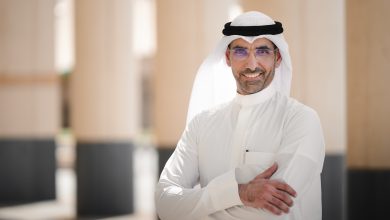
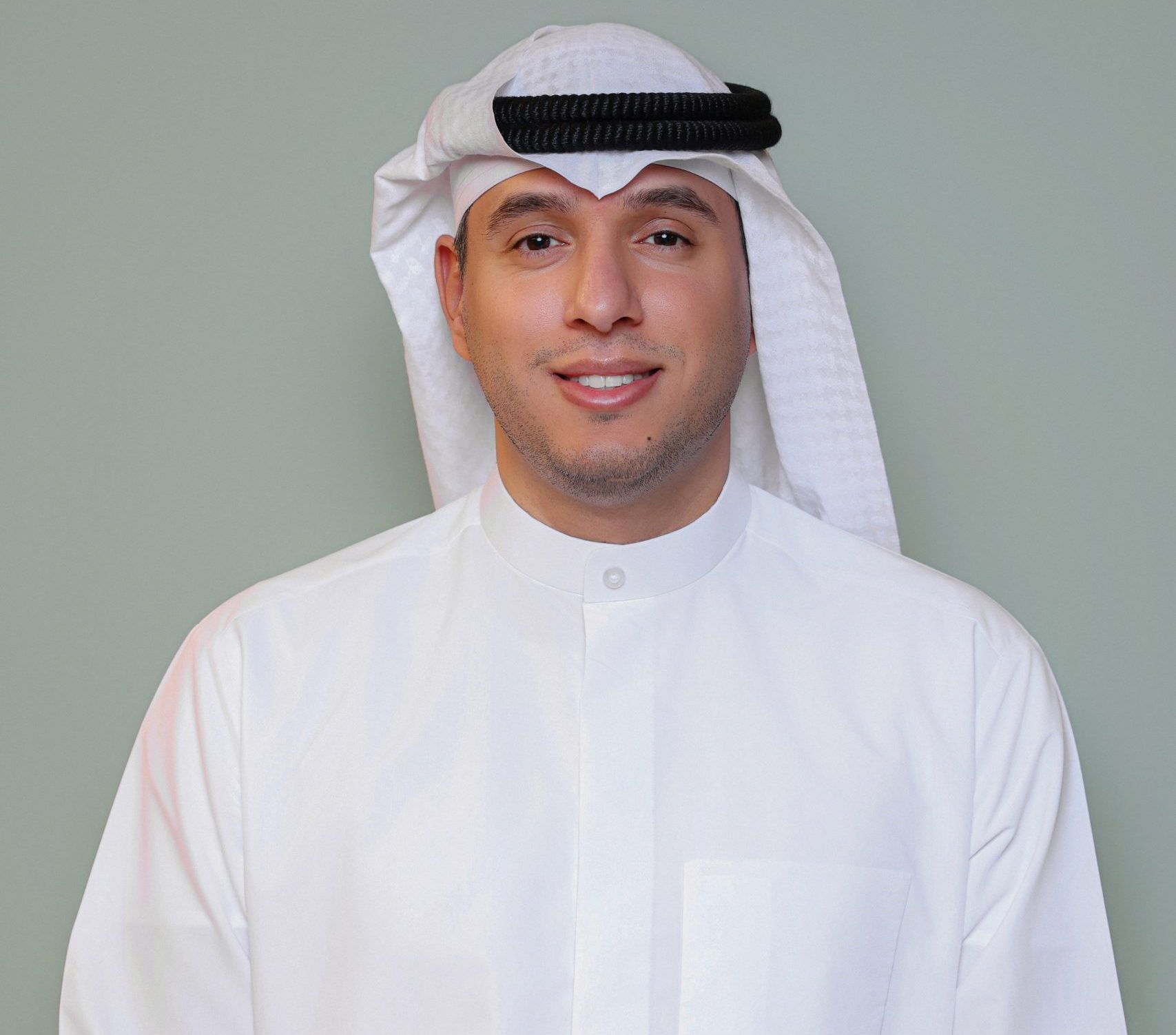
For Abdulaziz Shamesaldain, the answer comes without hesitation. «It’s my responsibility to adapt to new tools,» he says. «Take AI, for example. It has taken time for me to adapt, and I’m still learning. But I see it as another problem-solving tool.» That philosophy extends well beyond his own career. His mother owns a bridal fashion business, designing wedding dresses for clients across Kuwait. Rather than seeing AI as humanity’s new apocalyptic terror, she has made it part of her business, using it in a plethora of ways: to improve engagement on social media, strengthen her online presence, and refine her marketing strategy. «At the end of the day, AI is only a tool,» Shamesaldain says. «The human being remains the decision-maker.»
It is an idea that has shaped his own career just as profoundly. After graduating with a bachelor’s degree in Mechanical Engineering from Montana State University, Shamesaldain began his professional life in the energy and finance sectors, first as an oil trader and market risk analyst before becoming a financial analyst at Alghanim Industries. Today, he serves as Senior Manager, Innovation & Corporate Venture Builder Management at stc Group after earlier roles as Head of User Experience at stc Kuwait and UX design positions in Kuwait and Barcelona. The turning point, however, was not a promotion or a new employer. It was a Kuwait Foundation for the Advancement of Sciences (KFAS)-supported program.
Shamesaldain has participated in three executive programs supported by KFAS, but he points to the first as the experience that completely changed the direction of his career. The Digital Mindset program at the Hong Kong University of Science and Technology (HKUST) exposed him to artificial intelligence, big data, cryptocurrency, and the ways emerging technologies were already being used to solve real-world problems. At the time, he was working in finance. «That program completely opened my eyes,» he says. «I found everything so inspiring that I wanted to become part of this technological transformation.» By the time he returned home, he had already decided to change careers. Determined to gain the skills he needed, he later traveled to Barcelona at his own expense to study User Experience Design. KFAS had sparked the idea. The next step was his own investment.
After completing his UX Design training, he joined telecommunications company stc Kuwait, where he would eventually lead the company’s user experience before moving into innovation and venture building. A later KFAS-supported program would shape something different—not what he worked on, but how he approached new ideas. Representing stc Kuwait in the KFAS Innovation Challenge at IE University in Madrid, he attended a presentation by a visiting professor on validating ideas before investing heavily in them. The example involved a paddle-court booking service in Spain. Before building sophisticated software, the founders simply used several mobile phones to book courts manually, proving that genuine demand existed before writing the application itself. The approach is known as bootstrapping: testing an idea with minimal resources before investing heavily in it. «I continue to apply what I learned at IE University in my work today,» he says.
Today, Shamesaldain applies exactly the same principle as part of stc’s venture-building team, where one of the first questions he asks is whether a startup idea can be validated before significant resources are committed. Although he spends his days thinking about technology, he is careful not to confuse technology with purpose. AI, he believes, will replace far more jobs than many people expect, including routine administrative work, presentations, spreadsheets, and even some customer-facing roles. Yet despite working at the forefront of innovation, he openly admits that the pace of technological change can be frightening. «Oh, I absolutely fear it,» he says. Fear, however, is not a reason to stop adapting. «You won’t be replaced by AI unless you allow yourself to be replaced.» He encourages people to experiment with AI every day, learn what it can do, and treat it as another tool rather than an enemy. «AI doesn’t bite,» he says. «Use it every single day.» At the same time, he believes another trend will emerge: genuine human connection will become increasingly valuable.
To explain why, he invites readers to imagine two cafés. In one, robots prepare every drink at the lowest possible cost. In the other, a skilled barista remembers customers, smiles, chats for a few minutes, and creates an experience that goes beyond the coffee itself. «I genuinely believe people will pay a premium for human interaction,» he says. That same appreciation for tangible human impact also explains why he eventually left finance. «In finance, I often couldn’t see the direct impact of my work,» he says. Technology felt completely different. After designing parts of stc Kuwait’s digital experience, he could walk through shopping malls, airports, or almost anywhere in Kuwait and watch people using something he had helped create. «That feeling is incredibly rewarding,» he says. Instead of looking at numbers in spreadsheets, he could immediately see the results of his work in people’s everyday lives.
Today, whether he is mentoring startup teams, building new ventures, or exploring the latest AI tools, Shamesaldain still describes himself in exactly the same way: a problem solver.
But the most lasting outcome of his KFAS journey was perhaps not technological at all. During the KFAS Innovation Challenge at IE University in Madrid, he met fellow participant Sarah Al-Khamees, who today works as a Talent Development Specialist at stc. The two have since married. It brings together people from different organizations, backgrounds, and professions and gives them the opportunity to work toward a common goal. Along the way, participants build relationships that often continue long after the program ends. Some become professional connections.
Others become close friendships. For Abdulaziz Shamesaldain, KFAS did far more than introduce him to emerging technologies in Hong Kong or teach him how to test ideas before building them in Madrid. It gave him the confidence to leave finance for technology, the practical tools to turn ideas into ventures, and relationships that would shape both his professional and personal life. For someone who simply wants to keep solving problems, regardless of what the future brings, that may be the most valuable lesson of all.